How to Join a Pool League: APA, BCA, TAP and More
Weekly league play is how most casual players get serious about pool. Here is how to find a league near you, what membership costs, and which organization fits your game.

For most American pool players, the jump from casual bar games to organized competition runs through a league. Three national organizations — the American Poolplayers Association (APA), the BCA Pool League (BCAPL), and TAP League — sanction weeknight play across thousands of bars and pool rooms in the US and beyond, and dozens of independent local leagues run alongside them. Joining is easier than most people expect. Here is how it actually works, what it costs, and how to pick the right fit.
What does league night look like?
A pool league is fundamentally a weekly team commitment. Your team meets an opposing team at a host location — usually a bar or pool hall — on a fixed weeknight. Captains put up players one at a time, and the evening is decided by a set of individual matches: in APA team formats, five players per side each play once.
Handicap systems are the reason beginners can walk in cold. Every match is adjusted so a newer player needs fewer games or points than a strong one, which is why leagues are the standard on-ramp for players who have never competed. The two big systems you will run into are the APA's Equalizer — covered in detail in our Equalizer skill levels explainer — and FargoRate, which powers the BCA Pool League's software.
A session runs for a stretch of weeks, standings accumulate, and the top teams meet in playoffs. Win at that level and a path opens toward regional and national championships — the APA route runs through World Qualifiers to Las Vegas, which we laid out in our qualification path guide.
Which league should you join?
The honest answer is usually "whichever has a division near you on a night you can play." All three organizations below are legitimate, well-run options with different structures.
APA (American Poolplayers Association)
The APA is the largest of the three and runs on a franchise model: a Local League Operator organizes divisions in your area under APA's national rulebook. The national membership costs $30 a year (plus sales tax where applicable), runs on a calendar-year basis, and is not refundable — but it follows you if you move, with no transfer fee between leagues or areas.
APA team play is 8-ball and 9-ball. A team fields five players per night from a roster of five to eight, captained by a teammate. Skill levels run 2 to 7 in 8-ball and 1 to 9 in 9-ball, and the five players fielded cannot total more than 23 skill levels — the "23-rule" that stops stacked rosters and guarantees teams need players at every level, including newcomers.
You can sign up online at poolplayers.com or through the Member Services app, or hand a signed application to your Local League Operator. The league's signup page will locate the nearest division by ZIP code. You must be a member before your first match, and while the general age floor is 18, some areas require 21 under local law.
BCA Pool League (BCAPL)
The BCAPL, operated by CueSports International, works differently: it is a membership organization of roughly 600 independent leagues — around 75,000 members across eight countries — and your local league keeps full control of its format and rules. Player membership costs $20 a year, but you do not pay BCA directly; your league operator collects and submits it.
What membership buys is a FargoRate-based competitive identity, free league management software and premium features in the FargoRate app, and eligibility for BCA Pool League state and regional events plus the BCA Pool League World Championships in Las Vegas. Because local formats vary, a BCAPL league near you might look quite different from one across the state. CSI publishes a find-a-league directory on playcsipool.com to locate the closest sanctioned league.
TAP League
TAP covers the US and Canada through local licensees and offers the widest format menu of the three: 8-ball, 9-ball and 10-ball team play, 8-ball scotch doubles, singles divisions, and TAP X — a no-handicap, four-player, race-to-5 format. Its handicaps are tracked shot-by-shot through the Pool-Net system, and a 25-point skill cap applies to five-player team nights.
Two things set TAP apart for new players: there are no age limits for competition, and its calendar includes two national events — Rally in the Valley and the TAP Nationals — that players qualify into through league performance. TAP publishes a league locator at tapleague.com, or you can reach the national office directly if no league shows up near you.
What about other options?
They exist and are worth a look. The American CueSports Alliance (ACS) sanctions leagues and runs state championships in the Midwest and beyond, and plenty of pool rooms run unaffiliated in-house leagues — no national membership, no national events, just weekly local competition. If national championships and a portable rating matter to you, stick with a sanctioned league. If you just want a weekly game with low dues, an in-house league is a fine place to start. For how the rulebooks behind these organizations differ, see our league rules comparison.
How do you sign up, step by step?
- Find what's near you. Each national body has a locator: the APA's signup portal at join.poolplayers.com, the BCAPL find-a-league page at playcsipool.com, and TAP's league locator at tapleague.com. The old-fashioned route works too — ask at your local pool room or show up on a league night and introduce yourself.
- Say you need a team. League operators and captains maintain lists of unattached players. Showing up solo is normal; placement on a team that needs bodies is standard practice.
- Pay the membership and weekly fee. National dues are listed above. Weekly league fees are set by your local operator and vary by area, so ask for the exact number before committing.
- Get a skill level. You will be assigned a starting handicap on your first night; it adjusts as match results accumulate. Do not sandbag — every system has mechanisms for catching it, and inflated skill levels are the fastest way to make enemies in a league.
Can you start your own team?
Yes, and it is common. In the APA, a team is five to eight players plus a captain; you recruit your friends, your operator places you in a division, and typically a host location sponsors or houses you. BCAPL leagues and TAP licensees have their own team formation rules — ask the operator. The bigger version of this move is becoming a League Operator yourself: all three organizations license local organizers, which is a real commitment but also how most leagues get started in towns that lack one.
What will it cost, total?
Budget in three parts. National membership: $30 a year for APA, $20 a year for BCAPL (paid through your league), variable for TAP depending on the licensee. Weekly league fee: set locally, so confirm the amount with your operator. Table time: covered by the league fee in some venues, coin-operated in others — another question to ask before night one. Compared to most hobbies, league pool is cheap; the real commitment is the weeknight.
Do you need your own cue?
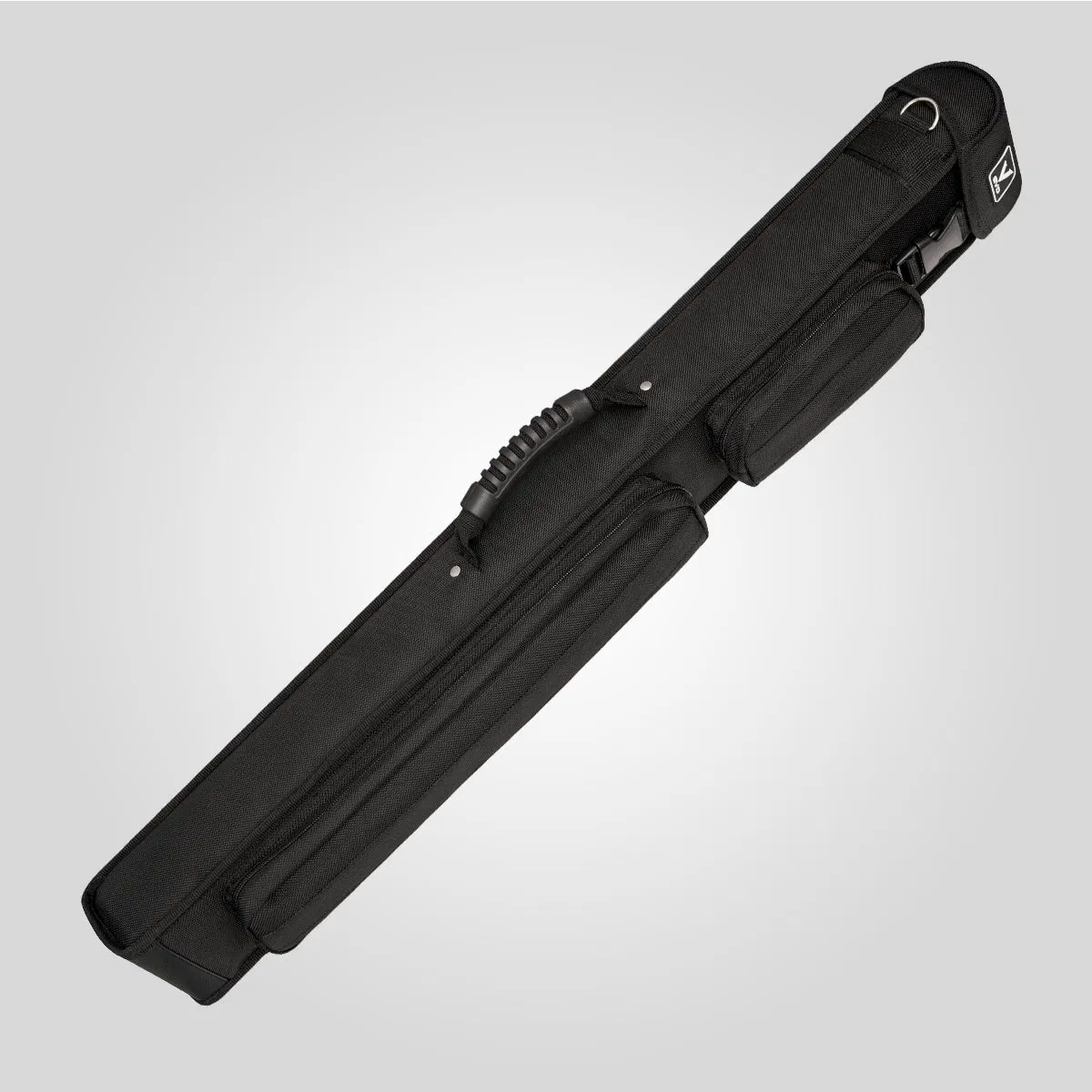
No. Every host location has house cues, and plenty of league regulars still play with them. If you decide you want your own after a few weeks — most players do — our sister site has a grounded breakdown of what your first real cue should cost. The short version: you do not need to spend much to play league pool well.
Can I join a league in the middle of a session?
Usually yes. New players join throughout the session in most leagues — the APA even requires membership before your first match rather than a signup deadline — though playoff rosters and team eligibility rules kick in later in the session. Ask your local operator how far into the session they accept new players.
Do I have to be a good player to join?
No. That is the entire point of the handicap systems every major league uses. Beginners are assigned a low skill level that limits how many games they must win, and strong players on your roster cannot legally dominate every weeknight — team skill caps like APA's 23-rule make sure of it.
Is there an age limit for league play?
It depends on the organization and your area. The APA generally accepts members at 18, though some league areas require 21 where local law demands it. TAP has no age limits for competition. Junior programs also exist across all three organizations for younger players.
Can I play in more than one league at once?
Yes. APA membership is honored at any APA league with no transfer fee, and plenty of players hold memberships in multiple organizations or play on two different nights. The only common restriction is appearing on two team rosters within the same APA division.
What if there is no league near me?
Call the national office. The APA's own rulebook says it will make every effort to get a league started in areas that lack one, and BCAPL and TAP both license new local organizers. The lighter lift is asking a local pool room about hosting an in-house league — it costs the venue little and fills weeknight tables.
Sources: American Poolplayers Association — poolplayers.com and the Official Team Manual at rules.poolplayers.com; CueSports International / BCA Pool League — playcsipool.com; TAP League — tapleague.com.