Pool Fouls Explained: Every Foul From Scratch to Push Shot
One rulebook, three different games — what counts as a foul under WPA rules, what it costs, and where league nights and bar tables play it differently.
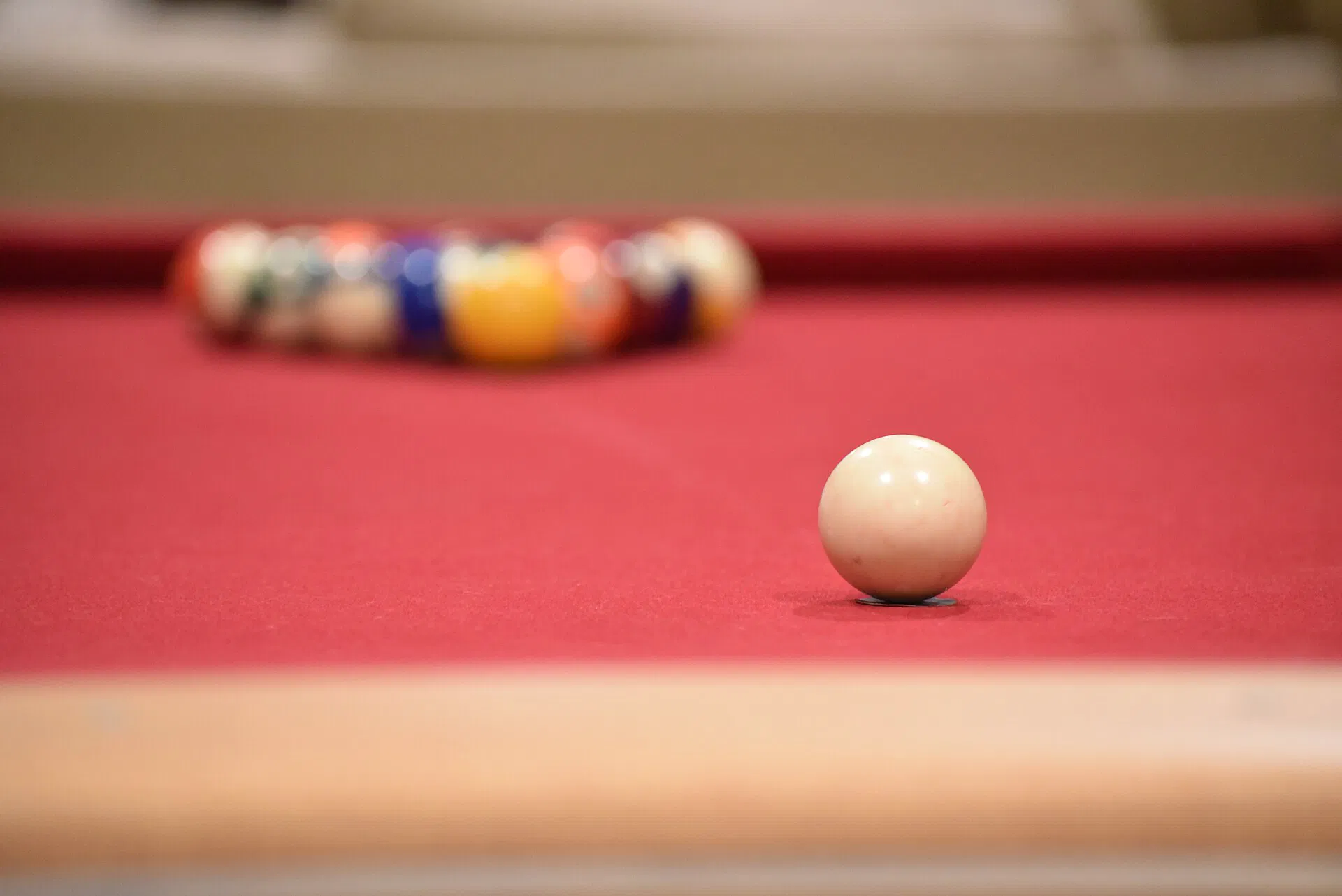
Ball in hand, double hits, push shots, jump cues and scratches — every way to commit a foul under the official rules, what each one costs, and where league nights and bar tables play it differently.
Nearly every argument at a pool table comes down to one word: foul. Under the WPA Rules of Play — the rulebook behind professional and serious amateur competition — the foul list is short, fixed, and mostly identical from game to game. The confusing part is that almost every league, bar and garage table tweaks it. Here is each foul you will actually commit, what it costs under WPA rules, and where house rules change the answer.
What counts as a foul in pool?
The WPA General Rules (§6) define a standard foul list that applies across the pocket games. All of these end your turn and hand your opponent a penalty:
- Cue ball scratched — pocketed or driven off the table.
- Wrong ball first — the cue ball's first contact is not a legal object ball (what counts as "wrong" depends on the game — more below).
- No rail after contact — nothing is pocketed and no ball, cue or object, reaches a cushion.
- Ball driven off the table — any ball that leaves the playing surface.
- Touching or disturbing a ball — with a hand, clothing, the cue or anything else except a legal tip-to-cue-ball contact.
- Double hit or push shot — the two most disputed fouls in the game; both explained below.
- Shooting while balls are still moving, or before they are re-spotted.
- No foot on the floor during the stroke.
- Playing out of turn, or marking the table to aim.
What does "ball in hand" actually mean?
Ball in hand is the standard penalty for a foul: the incoming player picks up the cue ball and places it by hand before shooting. Where it may be placed depends on the game:
- 8-ball, 9-ball, 10-ball: anywhere on the table — the strongest penalty in pool, which is why professionals give up so few fouls.
- 14.1 straight pool, one-pocket, bank pool: behind the head string only — the "kitchen" — when the foul is a scratch.
- Three-cushion billiards: there is no ball in hand at all; the inning simply ends and the other player shoots.
Bar tables commonly restrict ball in hand to behind the head string after any scratch, and some casual games waive it entirely — two shots or "play it as it lies" instead. None of those are official; agree on the penalty before the first rack, not after the first scratch. The per-game details live in the complete guides for 8-ball, 9-ball, 10-ball, 14.1, one-pocket and bank pool.
Is hitting the wrong ball first always a foul?
Yes — and it is the foul casual players commit most without noticing:
- Rotation games (9-ball, 10-ball): the cue ball must contact the lowest-numbered ball on the table first, every shot. Clipping the 9 before the 4 — even if the 9 then drops — is a foul and the 9 comes back up.
- 8-ball: once groups are assigned you must contact a ball of your own group first. While the table is still open, everything is legal first contact except the 8-ball — hitting it first is a foul even though nobody owns it yet.
- Caroms and combinations stay legal: you may send your own ball into any other ball — what matters is only the first contact.
What is a double hit — and how is it different from a push shot?
Two fouls people constantly mix up, both involving the cue tip:
- Double hit: the tip contacts the cue ball twice in one stroke. It happens when the cue ball sits very close to the object ball — the cue ball shoots forward, rebounds off the object ball, and the follow-through catches it again. Referees call it by sound and by the unnatural path of the cue ball.
- Push shot: the tip stays in contact with the cue ball so long that it is still touching as the cue ball meets the object ball — the cue "pushes" rather than strikes. Anything beyond the contact seen in a normal stroke is a foul.
The practical trap: when the cue ball rests closer than a chalk's width to the object ball, a straight-through follow stroke risks a double hit. Cut the shot at an angle, or play it with draw. One special case — when the cue ball is frozen to the object ball, a normal stroke directly at it is legal; the push call requires visibly prolonged contact beyond an ordinary stroke.
Are jump shots legal?
Under WPA rules, yes — with one firm boundary:
- A jump is legal when the cue ball is driven down into the cloth and rebounds over the obstacle — struck from above center with a normal stroke.
- The scoop is a foul: sliding the tip under the cue ball and lifting it is an intentional miscue, not a jump.
- Jump cues — short cues built for jumping — are legal under WPA rules and in BCA Pool League play, but the APA bans them (you may still jump with your playing cue), and many bar leagues ban jumping outright. Check before you unpack one — see how APA's own rulebook diverges for the league's approach.
What happens when a ball leaves the table?
Two cases, both fouls:
- Cue ball off the table: a scratch-equivalent foul — ball in hand for the opponent.
- Object ball off the table: a foul, and the ball does not return the way beginners expect. In 8-ball it stays out of play — except the 8 itself, whose departure loses the rack on the spot. In 9-ball and 10-ball, driven-off object balls stay down — except the money ball, which is re-spotted.
A ball that rolls back onto the table after leaving the playing surface is played as it lies; it is only "off the table" if it stays off.
Do three fouls really lose you the rack?
Only in the rotation games — this is the most over-applied rule in casual pool:
- 9-ball and 10-ball: three consecutive fouls in one rack means loss of rack — but the opponent (or referee) must warn you after the second foul, or the third counts only as the second.
- 14.1: three consecutive fouls cost a flat 15 points plus a re-rack, not the rack itself.
- 8-ball: there is no three-foul rule at all — you can foul every inning and only ever concede ball in hand.
How do league and house rules change the foul list?
WPA rules are the baseline everything else deviates from. The real-world deltas worth knowing:
- BCA Pool League / USAPL (CSI): closest to the pro game — ball in hand anywhere, jump cues legal, the full standard foul list.
- APA: ball in hand stays anywhere, but the league bans jump cues, plays the 8 on the break as a win in 8-ball, and layers on defensive-shot scoring. Details in the league's skill-level system.
- Typical house rules: scratches sent behind the head string, "two shots" penalties borrowed from British pub rules, 8-ball on the break winning or losing instantly, and no three-foul rule anywhere. Every one of these contradicts the official list — which is exactly why they survive at the bar.
Common questions
Is a scratch always ball in hand?
Under WPA rules, yes — anywhere on the table in 8-ball, 9-ball and 10-ball, and behind the head string in 14.1, one-pocket and bank pool. Many house rules restrict every scratch to the kitchen; that is a house rule, not the official one.
Is a double hit ever legal?
No — the tip may contact the cue ball only once per stroke. If the cue ball is close to an object ball, shoot through at an angle or with draw to stay legal.
Can I use a jump cue in my league?
Depends entirely on the league. WPA rules and BCA Pool League allow dedicated jump cues; the APA does not. Always check your league's equipment rules first.
What is a foul on the break?
The usual list still applies — scratch, cue ball off the table, or (in 9-ball and 10-ball) failing to drive enough balls to rails. A dry break in 9-ball must send four balls to cushions and three past the head string or it is an illegal break under Regulation 16.
Do I lose the game if I foul while pocketing the 8?
Yes — pocketing the 8 while committing any foul is one of the four instant losses in 8-ball. The other three: pocketing it early, in an uncalled pocket, or driving it off the table.
Are house rules "wrong"?
Not wrong — just not official. House rules are whatever the table agreed to, which is why the golden rule is to settle the foul list before the first rack goes down.
This explainer follows the WPA Rules of Play edition effective October 21, 2026 (what changed in the update). League and house rules differ — always check the rules in force where you play. Cover photo: "Cue ball in focus with out-of-focus pool rack" by Candeadly, CC BY 4.0, via Wikimedia Commons.